
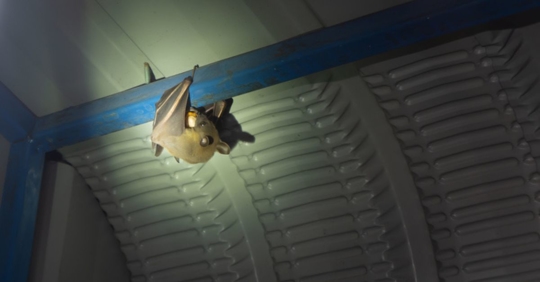
Unusual Noises in Attics or Walls
If you hear strange noises drifting down from your attic or behind your walls, you may be sharing your home with some unexpected guests—bats. These nocturnal creatures are masters of stealth but often leave auditory clues of their presence. Listen for scratching and flapping sounds, suggestive of bats maneuvering within confined spaces. During dusk and dawn, the telltale high-pitched chirps echo from within as the bats prepare to exit or return from their nighttime excursions. This is when you're most likely to catch a symphony of bat activity. The rhythm of these sounds might hint at the scale of infestation, thus forming a sound-based roadmap to potential issue zones within your dwelling.
Bat Droppings or Guano Identification
Bat droppings, or guano, offer another crucial hint of these winged critters' residence. Characterized by small, dark, pellet-like droppings, guano accumulates not just anywhere but strategically near entry points and beneath roosting spots. Feel the texture, and you’ll note how it crumbles easily, unlike mice droppings, revealing a sparkling interior due to insect pieces consumed by bats. The distinct musty odor accompanying these droppings should not be underestimated. In your Marietta, GA home, always be vigilant in historically frequent bat-entrance areas like attics to ensure early detection. Over time, guano buildup may cause significant structural damage, necessitating professional intervention and thorough cleaning to maintain a healthy living environment.
Staining and Grease Marks
Besides aural and olfactory cues, bats leave visual evidence of their activities. Over time, oils from their fur can create streaks and smudges around their frequented routes, particularly entry and exit points. These elongated stains are not mere dirt—each represents a passage frequently used by the bats. Examine potential entrances such as eaves, loft hatches, and roof ridges; you may notice the subtle trail of grease, signaling repeated movement. The consistent passage of bats leaves these marks, and they can guide you in pinpointing access points. This visibility of movement not only guides direct remediation measures but emphasizes the dynamic nature of bat routes within your property.
Physical Evidence of Roosting
Roosting evidence is another strong indicator of bat presence. Inspect dark, secluded areas carefully—bats choose such spots for their daytime respite. Evidence of roosting may include small roosting clusters or nests. These areas, especially dark and hidden corners of the attic, offer warmth and protection to bats. Identifying these clusters sooner helps in executing timely bat management plans, which can be vital in heavily infested areas. Patience and a keen eye during this inspection phase can be greatly beneficial to homeowners dealing with a bat presence, as it lays the groundwork for successful mitigation strategies.
Identifying Potential Entry Points
Identifying entry points of bats is crucial in addressing their pesky invasion. Bats exploit the tiniest openings, so a meticulous examination of your property perimeter is essential. Pay particular attention to common access sites, such as vents, chimneys, and soffits, which often become unintentional gateways for these creatures. Well-informed perimeter checks serve as the front line of defense against bat invasions. By sealing and repairing identified entry points, you can effectively limit bat access and take proactive steps towards reducing the risk of an infestation.
Tracking Bat Flight Paths
Once potential entry points are identified, tracing the flight paths of bats provides valuable insights into how they navigate and utilize indoor spaces. At dusk, when bats are most active, utilize flashlights to highlight their flight paths within the home. Watching these movements will guide you in understanding primary traffic zones and provide clear guidance on where to focus interventions. Familiarizing yourself with these active areas will allow you to effectively structure your bat management plan and work towards minimizing their presence within the household environment.
Risks Associated with Bat Infestations
The silent yet substantial health risks associated with bats can no longer be overlooked. In Georgia, especially in Marietta, rabies and histoplasmosis pose significant threats. Rabies, although commonly associated with animal bites, can also be transmitted through contact with bat saliva. Histoplasmosis, on the other hand, is a lung infection caused by inhaling spores from bat guano, presenting symptoms akin to severe flu. Understanding these risks emphasizes the urgency of addressing bat infestations swiftly. Ensuring your family’s safety means recognizing these threats and employing strategies that avoid direct contact or disturbance of bat droppings.
Mitigation and Prevention Measures
Professional exclusion services are a prudent consideration when tackling bat issues. Not only do they ensure humane eviction, but they also provide expert guidance on securing entry points against future invasions. While DIY sealing might seem tempting, professionals can better guarantee comprehensive coverage, ensuring all potential access areas are dealt with securely. Prevention is key, and by focusing on preemptive measures, homeowners can sidestep major problem scenarios. Equally important is maintenance; regular inspections uphold your home’s bat-free status, reinforcing the barriers set in place to protect against subsequent invasions.
Legal and Humane Removal Techniques
Bats are invaluable to our ecosystem, which is why legal protections surround their removal. In Marietta, GA, employing humane methods, such as exclusion devices that allow bats to exit but not re-enter, is paramount. It’s not just about addressing an inconvenience; it’s respecting wildlife while ensuring your home remains unharmed. The exclusion method stands as an ethical and effective strategy, balancing bat conservation efforts with home safety. Enlist the expertise of seasoned professionals; they ensure methods align with legal guidelines and maximize the efficiency of removal endeavors.
Post-Infestation Cleanup and Restoration
Post-removal, attention shifts to cleaning and restoring the affected areas. Thorough clean-up of bat guano is essential, minimizing any lingering health risks. Proper disinfection removes pathogens potentially carried by bats. Beyond health, aesthetic restoration—repairing and securing attic spaces or repairing stained surfaces—ensures your home’s integrity and presents an opportunity to reinforce preventative measures for future security. Partnering with professional services can expedite these processes, allowing you to leverage expert techniques and materials for lasting solutions.
Take Care of Bats Safely and Efficiently with SWAT Services
As a homeowner facing a bat infestation, SWAT Services stands ready to assist, providing comprehensive services tailored to your unique needs. Our expert team of wildlife control professionals is well-versed in identifying these signs and employing humane removal strategies. Reach out to us today, ensuring the safe and efficient handling of your bat concerns, restoring your peace of mind, and safeguarding your home. Don't let these silent invaders disrupt your living space; contact SWAT Services for a consultation and take the first step towards a bat-free environment.
SWAT Services is available by phone at (706) 607-6393 or you can always contact us online.