
Understanding Why Bugs Are Attracted to Drains
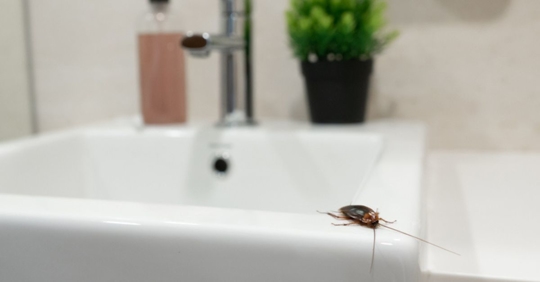
Drains are often an overlooked yet crucial part of our homes' hygiene and maintenance regime. Unfortunately, they can become hotbeds for bugs like drain flies, fruit flies, and cockroaches. Identifying these critters plays a significant role in effectively managing their presence. Drain flies are small, moth-like insects that have fuzzy wings, while fruit flies are tiny insects with an obsession for ripening produce. Cockroaches, though larger and more universally recognized, are experts in sneaking around unnoticed. When you familiarize yourself with the appearance and identifiable features of these bugs, it's easier to initiate appropriate control measures promptly.
The lifecycle and behavior of drain bugs are also key factors contributing to their annoying presence. These pests thrive in moist environments. Drains, with their consistent moisture levels, serve as an ideal breeding ground. The lifecycle of a drain fly, for example, is closely tied to how much organic matter can accumulate in these damp spaces. Knowing their breeding habits, which are heavily reliant on environments with high humidity and organic waste, you can start planning preventive methods. This helps in not only removing adult pests but also addressing potential breeding sources within your drains.
Reasons Bugs Thrive in Drains
Drains act as a perfect hideout for bugs due to moisture and organic matter. A steady supply of these essentials supports their living and breeding conditions. Decaying hair, soap scum, and other organic debris create a fertile ground for bug population explosion. Even the smallest amounts of neglect in terms of cleanliness can turn your otherwise pristine home into a pest haven, as minerals and residues attract bugs. Understanding this intrinsic link between organic matter and pest attraction can aid in implementing more efficient control strategies.
Neglected cleaning and maintenance may open the doors for bugs to flourish unnoticed. Busy schedules can lead to overlooked drain cleaning, allowing mold and mildew to settle in. Mold provides a comfortable habitat for pests to breed, quickly leading to a full-blown infestation. Without regular maintenance checks, drains can amass layers of organic sludge, biofilm, and stagnant water—ingredients for creating the perfect storm for pests. Experts recommend regular cleaning and maintenance practices to reduce the risk of infestations.
Signs of Bug Infestation in Drains
Physical signs and traces of bug activity are often the first indicators of a pest problem. One common sign is the visible presence of miniature bugs hovering around the drain, generally more noticeable during the quiet hours of the night. Drain flies, in particular, are drawn to light, which might explain their nighttime activities. Additionally, observing biofilm or waste found around drains can hint at the issue. Believe it or not, these seemingly inconspicuous remnants serve as a beacon for pests, indicating an environment ripe for breeding.
A less obvious indication of pests is through auditory and olfactory cues. Ever heard strange gurgling noises emanating from your drains? These sounds may be an alarming sign of a bug infestation. Coupled with peculiar musty or sewage-like odors, they suggest a build-up of organic matter that pests feast on, further emphasizing the need for prompt action. Understanding both direct and indirect signs of drain bug presence can help homeowners prioritize appropriate solutions and stress the importance of maintaining a clean drain system.
Preventive Measures to Avoid Drain Infestation
Establishing regular cleaning regimens can significantly deter drain infestations. Utilizing chemical cleaners or natural solutions like vinegar and baking soda can effectively disinfect and remove organic build-up, making your drains less enticing to pests. Regular use of natural cleaning agents ensures that drains are refreshed without introducing harsh chemicals into the home environment. Combine this with a rigorous cleaning schedule, and your bug problem may soon seem like a distant memory, instead of a persistent nightmare.
Optimizing drainage and ventilation plays an essential role in preventing bug infestations. Ensuring that drains have proper water flow and ventilation minimizes stagnant water pools, which are prime bug breeding grounds. Implementing bug stoppers and screens physically prevents bugs’ entry and exit while supporting proper air circulation. Installing these affordable and straightforward solutions effectively blocks bugs from accessing drains, thereby reducing the chances of infestation without any drastic changes in your routine.
Effective and Safe Removal of Drain Bugs
If your drains are already compromised, worry not, as there are several effective and safe removal methods available. DIY enthusiasts might embrace solutions such as pouring a mixture of vinegar and baking soda down the drains. This home remedy helps flush pests out while minimizing environmental impact. Moreover, crafting non-toxic traps using household items like apple cider vinegar and plastic wrap efficiently captures drain bugs, offering a practical solution to this common problem, all from the comfort of your home.
That said, professional pest control solutions provide a more comprehensive approach, especially for severe infestations. Knowing when to consult professionals is crucial; if DIY measures have been exhausted without success, expert intervention is wise. Professional treatments often deploy more potent yet safe solutions, controlled and overseen by experienced service providers. If you're in Marietta, GA, seeking expert assistance from local professionals can prove invaluable, not only in addressing current challenges but also in preventing future infestations.
Addressing Drain Bug Concerns and Misconceptions
Plenty of misconceptions and myths about drain bugs abound, often clouding the issue. It's important to debunk myths like quick fixes or believing certain homes are predisposed to bugs because of genes. In reality, consistent and dedicated maintenance can keep any property bug-free regardless of previous pest issues. Furthermore, understanding and correcting misinterpretations around bug behaviors and resistance helps alter our approaches to pest control, ensuring success and fostering long-term well-being.
Long-term drain health and bug prevention emphasize a continual monitoring and maintenance strategy. Implementing regular checks ensures drains remain clear and free from organic build-up. Assessing how climate and environment influence bug behavior, particularly during wetter months, aids in formulating adaptive pest control measures. Every homeowner or tenant must adopt these research-based solutions and recommendations to safeguard their homes and promote a healthy, pest-free environment.
Keep Pests Out of Your Drain with SWAT Services
By taking the necessary steps, you can empower yourself to maintain a bug-free environment. If you find yourself struggling with pests around your drains, consider reaching out to SWAT Services for comprehensive solutions tailored to your unique needs. With our professional pest control and drain services, our team is here to help you establish an impregnable defense against pesky invaders. Contact us today for services that ensure your home remains a sanctuary, free from unwelcome guests.
Call SWAT Services at (706) 607-6393 or reach out online.