
Prevalence and Habitats of Bed Bugs
As the holiday season approaches, travelers often worry about potential pitfalls, and bed bugs are a top concern. These pesky insects are frequently found in popular travel locations such as hotels, resorts, and vacation rentals, lurking in the seams of mattresses or hidden behind baseboards. Recent studies have shown that bed bug infestations are particularly common in bustling tourist destinations due to the high turnover of guests. The warmth and ample hiding spots in these environments provide the perfect conditions for bed bugs to thrive. For instance, reports suggest a notable prevalence of bed bug incidents in places like New York and Los Angeles, cities known for their dense population and constant influx of travelers. As you plan your holiday travels, understanding where these creatures typically reside can help you avoid unpleasant encounters.
Health Implications and Identifying Bed Bug Bites
While bed bugs are not known to transmit diseases, their bites can lead to various health problems. For some individuals, these bites cause allergic reactions characterized by intense itching, redness, and swelling. In severe cases, excessive scratching can lead to secondary infections. Identifying bed bug bites can be tricky as they often resemble other insect bites. Typically, bed bug bites appear in clusters or a line pattern on parts of the body exposed during sleep. Unlike mosquito bites, bed bug bites tend to be more inflamed and may take longer to subside. Knowing how to identify these bites can be crucial in assessing whether your accommodations might be infested.
Why Bed Bugs Are a Growing Concern
The global increase in bed bug infestations is alarming, influenced by multiple factors. The adaptation and resilience of bed bugs are partly due to their growing resistance to common pesticides, which complicates eradication efforts. Additionally, changes in travel behaviors, such as the increased frequency of international travel and the popularity of short-term rentals, have exacerbated the spread of bed bugs. The recent pandemic has also altered travel habits, resulting in fewer professional pest control interventions and more home stays, which can allow undetected infestations to persist. Understanding the reasons behind their resurgence underscores the importance of vigilance and informed travel choices.
Researching and Choosing Accommodations Wisely
Before setting off on any holiday adventure, researching where you'll stay is a crucial step in bed bug prevention. Begin by combing through online reviews for hints of past bed bug issues, focusing on narratives detailing specific encounters rather than generalized experiences. Bed bug registries and official hotel websites can offer valuable insights into an accommodation’s pest history. Do not hesitate to contact the hotel directly for their pest control practices and ask about recent preventive measures they've taken. Being proactive in your research can greatly reduce your chances of a bed bug encounter during your trip.
Packing Tips to Prevent Bed Bug Incursions
When packing for your trip, a few strategic adjustments can help prevent bringing bed bugs into your home later. Consider using protective luggage liners that can seal your belongings and deter any pests from hitching a ride. Packing clothes in airtight plastic bags adds another layer of protection and ensures bed bugs have limited access to lodge amongst your fabric goods. Additionally, avoid fabric suitcases. Using materials like hard-shell cases that are less prone to harboring these insects can be a wise choice. These small packing tweaks go a long way in ensuring that unwanted guests stay at the doorstep.
Essential Items for Bed Bug Defense
Equipping yourself with essential tools can bolster your defenses against bed bugs while traveling. Start by investing in portable bed bug sprays, designed for travel sizes, which can be applied to hotel beds and luggage. Travel-sized laundry detergents are also practical, enabling you to wash your clothing frequently in hot water – a known enemy of bed bugs. A small flashlight is invaluable for room inspections, helping to spot these nocturnal pests in dark corners upon arrival at your destination. Having these essentials handy can make all the difference in your travel peace of mind.
Steps for Inspecting Your Hotel Room
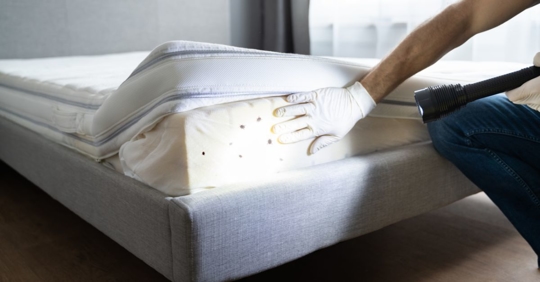
Conducting a thorough inspection of your accommodation upon arrival is vital in detecting a potential bed bug infestation early. Start by placing your luggage in the bathroom, away from upholstery, before you begin your check. Use your flashlight to examine mattress seams, checking for tiny rust-colored spots or live bugs. Move aside the headboard and inspect behind it – a favorite hiding spot for bed bugs. Don't forget to check along the edges of the carpet, luggage stands, and inside drawers. Consistently following these inspection steps can help avert an unpleasant infestation during your stay.
Identifying Signs of Bed Bugs
Recognizing the signs of bed bugs can make a critical difference in preventing an infestation from traveling home with you. Keep an eye out for small, rust-colored spots on bed linens, which are indicative of fecal matter. Live bugs, which are about the size and shape of an apple seed, can be spotted in the creases of mattresses and furniture. Additionally, the presence of shed skins or tiny white eggs in folds suggests an infestation. Armed with images or resources that detail these signs, you can more accurately identify a potential problem before it becomes a full-blown issue.
What to Do if You Find Bed Bugs
If your thorough room inspection returns signs of bed bugs, immediate action is crucial. Promptly alert the hotel staff of your findings, and request to be moved to a different room at the opposite end of the facility to avoid cross-contamination. Ensure that your belongings are not contaminated by inspecting your luggage and clothing for any signs of bugs before moving. Incidents like these should typically be shared in reviews to help other travelers make informed decisions. Taking these steps helps contain the problem while ensuring hotels remain vigilant in their pest control practices.
Best Practices for Decontaminating Luggage and Clothing
Once home from your travels, decontaminating your luggage and clothing is a must to prevent any lingering pests from spreading. Immediately wash all travel clothing in hot water and dry on the highest setting; heat is effective in killing any bed bugs or eggs. For your luggage, a thorough vacuuming of both interior and exterior surfaces is recommended, followed by steaming or using a high-heat treatment where possible. Implementing these cleaning practices prevents any unnoticed hitchhikers from making a permanent residence in your home.
Inspecting Your Home After Travel
Regularly inspecting your home after travel can help catch an infestation early before it becomes a broader issue. Focus your inspections on areas where bed bugs might reside, such as bedding, upholstered furniture, and around luggage storage spaces. Use a flashlight to spot signs like tiny eggs or rust-colored spots. Staying vigilant after each trip by setting up a check routine ensures your living space remains free of these unwanted invaders.
When to Consult a Pest Control Professional
Sometimes, despite your best efforts, bed bugs can still become a problem that requires professional attention. Look for signs of a broader home infestation, such as frequent bites, visible bugs, or persistent spotting on bedding. If these symptoms are apparent, consult with a pest control expert like SWAT Services based in Marietta, GA. An expert can offer specialized treatment options and peace of mind for even the most stubborn infestations.
Accessing Bed Bug Helplines and Information Centers
A slew of resources exists to assist travelers concerned about bed bugs. National pest management associations provide a wealth of information and guidance to address bed bug problems effectively. Additionally, local bed bug helplines offer immediate support and advice tailored to specific regions. Online forums dedicated to travel and pest advice provide community-driven insights and real-life experiences, helping you stay informed and prepared for any pest-related challenges.
Staying Updated with Travel Advisory Alerts on Pests
Ensuring up-to-date knowledge about potential pest threats at travel destinations is now simple with technology. Apps and government travel advice sites frequently update travelers about any bed bug outbreaks or advisories. Additionally, hotel chain notices or subscription services can provide timely information on pest activity, improving your travel preparedness significantly. Staying informed ensures you make smarter, safer travel decisions.
Understanding Policies and Rights Related to Bed Bug Incidents
Knowing your rights as a traveler when facing bed bug issues can aid in navigating any disputes that arise. Refund policies and insurance claims may cover incidents of pest infestations, depending on where you stay. Familiarize yourself with consumer protection laws and resources available to support you in case of disputes or claims. By understanding these policies and ensuring proper documentation of any evidence, you can defend your interests effectively should a bed bug incident occur.
Call SWAT Services to Get Rid of Bed Bugs ASAP
Navigating the potential hassles bed bugs pose while traveling requires preparedness and awareness. By adopting these preventive strategies and equipping yourself with adequate knowledge, you’re taking learned steps towards safe and pest-free travel. If bed bugs have affected your trip and you need expert help, SWAT Services stands ready to offer professional bed bug treatment. Reach out today to ensure your home remains a haven free of bed bugs.
SWAT Services is available by phone at (706) 607-6393, or you can always send us a message online.